
Seven public offers · source linked
Best AI Headshot Generator: 7 Options Compared
A source-linked comparison of public prices, output counts, free access, and stated delivery times. No made-up ratings and no claim that one tool fits everyone.
Public offer pages checked: September 6, 2026. Prices and availability may change. These are vendor claims, not independently tested delivery guarantees.
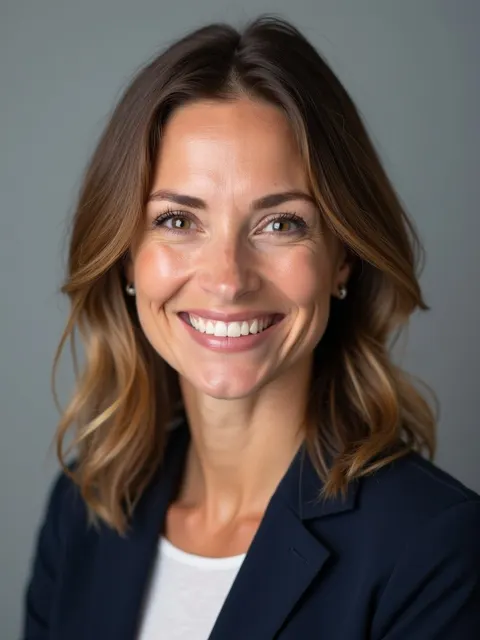

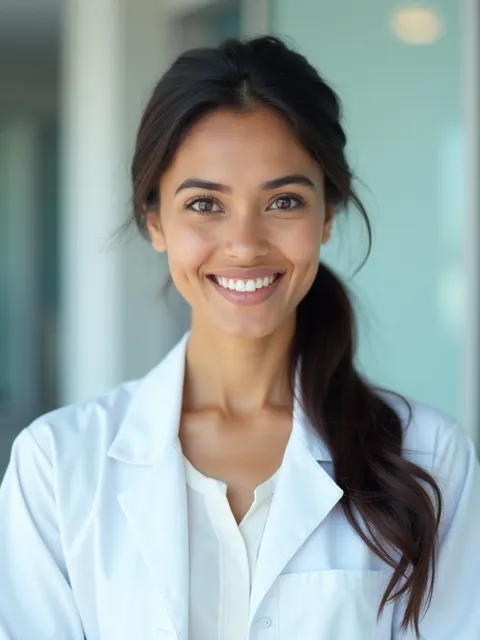
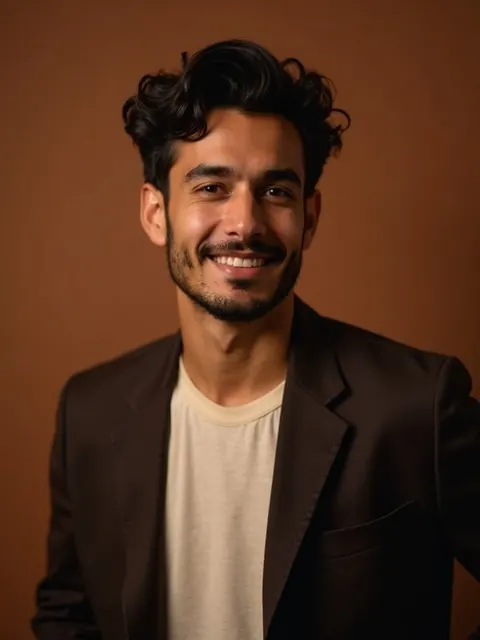
Want to evaluate for $0?
Start with a product that lets you see one result before creating an account or entering a card.
Need a complete business set?
Compare output count, style range, resolution, and retention—not only the headline starting price.
Buying for a team?
Use the vendor source links below. This table covers public individual offers, not enterprise controls or negotiated pricing.
Seven-Way Public Offer Comparison
| Product | Public starting price | Output shown | Stated timing | Free access | Evidence |
|---|---|---|---|---|---|
| HeadshotGenerators.aiPublisher | Free preview; Starter $14.99; Pro $29.99 | 1 free; 40 Starter; 100 Pro | No fixed minute guarantee | One anonymous watermarked preview; see current free-use terms | Source |
| HeadshotPro | From $29, one-time | 30 headshots at entry level | Main page: under 30 minutes; Starter card: under 2 hours | No free generation package verified on the checked page | Source |
| Aragon AI | Basic from $35 | 40 headshots | 45 minutes listed for Basic | Separate account-based free headshot tool advertised; distinct from Basic | Source |
| BetterPic | From $35 stated in the FAQ | Basic: 20 headshots, 1 style | 2 hours listed for Basic | Free access not verified in this check; consult the vendor | Source |
| Dreamwave | Starter from $35 | 40 photos from 1 selfie | Ready in minutes advertised; not independently timed | Limited daily free spots advertised; availability not guaranteed | Source |
| InstaHeadshots / Magic Studio | From $59 | 50 headshots / 5 looks | Main offer: 15 minutes; FAQ: about 60 minutes for Starter | Preview before paying to keep the results | Source |
| Canva | 2 free credits | Credit-based | No fixed completion time verified | Two credits; 24-hour wait after use before further free generation | Source |
Prices are USD public starting offers and may vary by promotion, geography, tax, or experiment. Vendor claims about timing and output are reported, not independently guaranteed by us.
Additional free-access source: Aragon’s separate free headshot tool.
Style range
Judge the output category before the price table
These are examples from HeadshotGenerators.ai—not images attributed to the other vendors in this comparison. Use each vendor source for its current samples and terms.
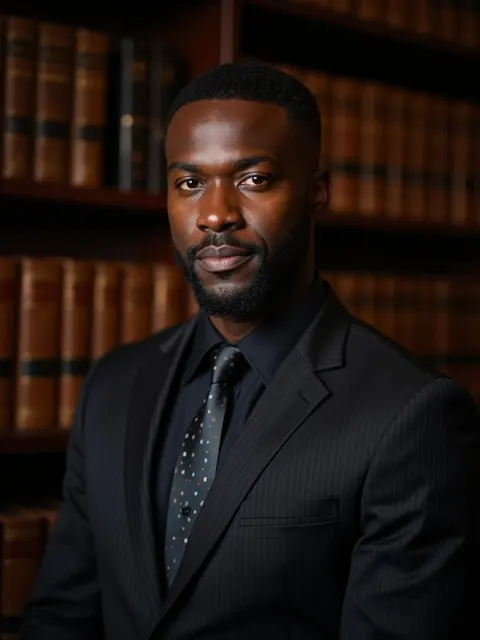
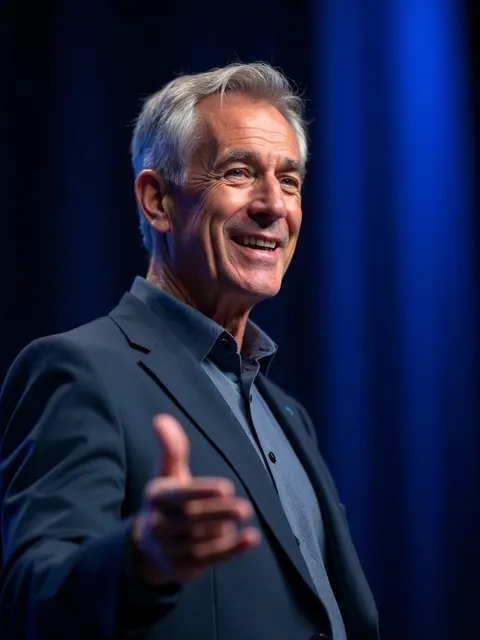
Results shown are AI-generated examples. Your result will vary with the photos you upload.
How We Compared Them
Inputs
Each vendor’s public individual pricing or headshot product page, opened on the date above.
Dimensions
Starting price, included output, advertised turnaround, and whether a user can evaluate without paying.
Normalization
We report the lowest clearly displayed individual offer. Team pricing and temporary coupon math are excluded.
Limits
This is not a blind visual-quality benchmark. Public vendor claims can change after publication.
Publisher disclosure
HeadshotGenerators.ai publishes this page and sells one of the compared products. That is a direct financial interest. We therefore link every competitor claim to its own site, avoid numerical quality ratings, and state where we have not conducted hands-on testing.
What Our Product Actually Includes
Free: one 1024×1024 result from one selfie using fal-ai/flux-pulid. No account or card is required to generate; anonymous output is watermarked and expires after 24 hours.
Starter: $14.99 one time for 40 photos across 7 styles at 1024×1024.
Pro: $29.99 one time for 100 photos across 20 styles at 2048×2048.
Delivery: No fixed minute guarantee. Queue time and quality-control regeneration can vary. Order progress is shown in the dashboard. Delayed jobs are detected and retried automatically when safe; users can also request a retry.
Frequently Asked Questions
Which AI headshot generator is best?+
There is no universal winner. Choose by the constraint that matters: free evaluation, number of outputs, turnaround, editing, team controls, privacy, or refund terms. This page reports public offer facts and does not assign invented quality scores.
Did you buy and blind-test every product?+
No. This update is a reproducible desk review of each vendor’s public pricing and product page. We did not run a paid image-quality test across all seven products, so we do not publish a quality ranking.
Does HeadshotGenerators.ai publish this comparison?+
Yes. We build and sell HeadshotGenerators.ai, so we have a direct commercial interest. Our own plan details come from the same checkout rules used by the product.
How current are the prices?+
The listed public offers were checked on September 6, 2026. Vendors run promotions and experiments, so use each linked source before purchasing.